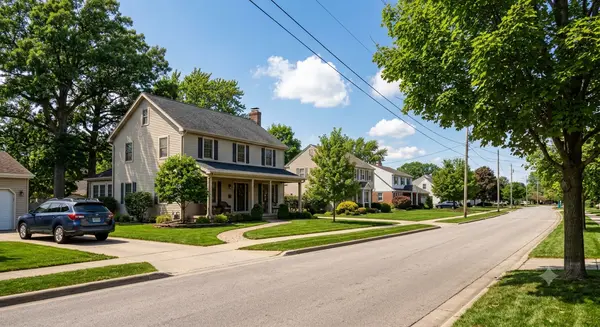
Real Estate Terminology- The Southeast Wisconsin Home Buyer and Seller Glossary You’ll Actually Use
Real estate has its own language.
The problem is that most people don't encounter terms like escrow, appraisal gap, contingency, title commitment, earnest money, amortization, or clear-to-close in everyday life. Then suddenly you're buying or selling a home in Waukesha County, Milwaukee County, Washington County, Ozaukee County, or Jefferson County and everyone around you seems to be speaking a different language.
One conversation with a lender, title company, inspector, attorney, or real estate agent can leave you wondering if you missed an entire class somewhere.
At the Zuelke Real Estate Team, we spend a lot of time translating real estate terminology into plain English because understanding the process helps people make better decisions. Whether you're buying your first home in Brookfield, selling a property in Oconomowoc, relocating to Hartland, or moving from Pewaukee to Delafield, knowing these terms can help you feel more confident every step of the way.
This guide explains many of the most important real estate terms buyers and sellers encounter throughout a transaction, along with why each one matters in the real world.
Amortization
Amortization is the process of paying off a mortgage over time through scheduled monthly payments.
Each payment includes both principal and interest. During the early years of most mortgages, a larger portion of the payment goes toward interest. As time passes, more of the payment is applied toward principal.
Why It Matters
Many homeowners are surprised to learn how slowly loan balances decrease during the first several years of ownership. Understanding amortization helps you build realistic expectations about equity growth and mortgage payoff timelines.
Appraisal
An appraisal is a professional opinion of a property's market value completed by a licensed appraiser.
The appraiser evaluates the home's condition, features, location, and comparable sales before determining a value.
Why It Matters
Lenders use appraisals to ensure the home is worth the amount being financed. If a property appraises below the agreed purchase price, buyers and sellers may need to renegotiate terms.
Appraisal Gap
An appraisal gap occurs when a home's appraised value comes in lower than the contract purchase price.
Why It Matters
In competitive markets throughout Southeast Wisconsin, buyers occasionally offer more than recent comparable sales support. When this happens, buyers may need additional cash or sellers may need to reduce the price.
Assessed Value
An assessed value is the value assigned by a municipality for property tax purposes.
An assessed value is the value assigned by a municipality for property tax purposes.
Why It Matters
One of the biggest misconceptions among homeowners is assuming assessed value equals market value. In communities like Brookfield, Sussex, Menomonee Falls, Oconomowoc, Hartland, Delafield, and Pewaukee, the market value of a home may be significantly different from its assessed value depending on market conditions and the timing of municipal assessments.
Closing
Closing is the final step in a real estate transaction when ownership officially transfers from seller to buyer.
Documents are signed, funds are transferred, and the deed is recorded.
Why It Matters
This is the day buyers become homeowners and sellers receive proceeds from the sale. Understanding what happens at closing helps reduce surprises and last-minute stress.
Closing Costs
Closing costs are the fees associated with buying or selling real estate.
These may include lender fees, title fees, recording fees, transfer taxes, prepaid taxes, homeowner's insurance, and various administrative expenses.
Why It Matters
Many buyers focus entirely on their down payment and forget about closing costs. Likewise, sellers often underestimate the costs associated with selling. Knowing these expenses upfront helps avoid budget issues later.
Comparative Market Analysis (CMA)
A Comparative Market Analysis is a report prepared by a real estate agent that estimates a property's value based on recent sales, active listings, pending sales, and local market conditions.
Why It Matters
A CMA helps sellers determine an appropriate list price and helps buyers understand whether a home is priced competitively.
Contingency
A contingency is a condition that must be satisfied before a transaction can move forward.
Common contingencies include:
- Financing contingency
- Inspection contingency
- Appraisal contingency
- Home sale contingency
Why It Matters
Contingencies protect buyers and sellers by creating specific conditions that must be met before the sale becomes final.
Conventional Loan
A conventional loan is a mortgage that is not insured or guaranteed by a government agency.
Why It Matters
Conventional loans are among the most common financing options in Wisconsin. Qualification requirements often depend on credit score, debt-to-income ratio, and down payment amount.
Counter Offer
A counter offer occurs when one party responds to an offer by changing one or more terms.
Price is often the focus, but counter offers can also involve:
- Closing dates
- Personal property
- Inspection items
- Earnest money amounts
- Financing terms
Why It Matters
Most successful transactions involve negotiation. Understanding counter offers helps buyers and sellers navigate those conversations confidently.
Days on Market (DOM)
Days on Market measures how long a property has been listed before receiving an accepted offer.
Why It Matters
A home sitting on the market for an extended period may indicate pricing concerns, condition issues, or changing market conditions.
Debt-to-Income Ratio (DTI)
Debt-to-Income Ratio compares monthly debt obligations to monthly income.
Lenders use DTI when evaluating mortgage applications.
Why It Matters
Your DTI directly impacts loan approval and purchasing power.
Deed
A deed is the legal document that transfers ownership of real property.
Why It Matters
The deed is what officially establishes ownership rights after closing.
Down Payment
A down payment is the portion of the purchase price paid by the buyer upfront.
Why It Matters
The amount of your down payment influences loan options, monthly payments, mortgage insurance requirements, and overall affordability.
Earnest Money
Earnest money is a deposit made by a buyer to demonstrate serious intent to purchase a property.
In Wisconsin, earnest money is often held in a trust account until closing.
Why It Matters
Earnest money shows commitment and can strengthen an offer in competitive situations.
Equity
Equity is the difference between a home's market value and the outstanding mortgage balance.
Why It Matters
Equity is one of the primary wealth-building benefits of homeownership. Many sellers use accumulated equity to purchase their next home.
Escrow
Escrow refers to funds or documents being held by a neutral third party until certain conditions are met.
Why It Matters
Escrow helps protect both buyers and sellers during the transaction process.
FHA Loan
An FHA loan is a mortgage insured by the Federal Housing Administration.
Why It Matters
FHA financing can make homeownership more accessible for buyers with lower down payments or less-than-perfect credit histories.
Fixed-Rate Mortgage
A fixed-rate mortgage maintains the same interest rate throughout the loan term.
Why It Matters
Predictable monthly payments make budgeting easier and reduce uncertainty.
Foreclosure
Foreclosure occurs when a lender takes legal action to recover a property after a borrower fails to make mortgage payments.
Why It Matters
Foreclosures can create opportunities for buyers but often involve additional risks and complexities.
Home Inspection
A home inspection is a professional evaluation of a property's condition.
Inspectors review major systems including:
- Roofing
- Electrical
- Plumbing
- HVAC
- Foundation
- Structure
Why It Matters
An inspection can reveal issues that may affect value, safety, or future repair costs.
Homeowners Association (HOA)
An HOA is an organization that manages and enforces rules within certain neighborhoods or condominium communities.
Why It Matters
HOA fees, regulations, and restrictions can significantly impact ownership experience.
Home Warranty
A home warranty is a service contract that may cover repairs to certain appliances and systems.
Why It Matters
A warranty can provide peace of mind, especially during the first year of ownership.
Interest Rate
An interest rate is the cost of borrowing money expressed as a percentage.
Why It Matters
Even small rate changes can significantly affect monthly mortgage payments and long-term borrowing costs.
Listing Agreement
A listing agreement is the contract between a homeowner and a real estate brokerage authorizing the property to be marketed for sale.
Why It Matters
This agreement outlines responsibilities, compensation, marketing strategy, and representation.
Listing Price
The listing price is the amount a seller initially asks for the property.
Why It Matters
Pricing strategy plays a major role in attracting buyers, generating showings, and maximizing final sale price.
Loan Estimate
A Loan Estimate is a document lenders provide outlining projected mortgage terms and closing costs.
Why It Matters
This document allows buyers to compare loan options and understand costs before closing.
Loan-to-Value Ratio (LTV)
LTV compares the loan amount to the property's value.
Why It Matters
LTV affects financing eligibility, mortgage insurance requirements, and interest rates.
Market Value
Market value is the price a willing buyer and willing seller agree upon in an open market.
Why It Matters
Understanding market value is essential when buying, selling, refinancing, or appealing tax assessments.
Multiple Listing Service (MLS)
The MLS is the database real estate professionals use to market properties and share listing information.
Why It Matters
The MLS provides maximum exposure to qualified buyers and cooperating agents.
Mortgage Insurance
Mortgage insurance protects lenders if a borrower defaults on a loan.
Why It Matters
Buyers with smaller down payments may be required to pay mortgage insurance premiums.
Offer to Purchase
The Offer to Purchase is the legal document outlining the terms and conditions of a real estate transaction.
Why It Matters
This document forms the foundation of the entire transaction.
Pending
A pending status means a seller has accepted an offer and the transaction is progressing toward closing.
Why It Matters
Pending sales provide insight into current market activity and pricing trends.
Pre-Approval
A mortgage pre-approval is a lender's preliminary determination of how much a buyer may qualify to borrow.
Why It Matters
Pre-approval strengthens offers and helps buyers focus on homes within their budget.
Principal
Principal is the amount borrowed on a mortgage before interest.
Why It Matters
As principal decreases, homeowners build equity.
Property Taxes
Property taxes are local taxes assessed on real estate.
Why It Matters
Taxes directly impact monthly housing costs and affordability.
Purchase Agreement
The purchase agreement is the fully executed contract between buyer and seller.
Why It Matters
Once accepted, this document becomes legally binding and outlines all obligations moving forward.
Refinancing
Refinancing replaces an existing mortgage with a new loan.
Why It Matters
Homeowners refinance to reduce payments, change loan terms, access equity, or eliminate mortgage insurance.
Seller Concessions
Seller concessions are costs a seller agrees to pay on behalf of the buyer.
Why It Matters
Concessions can help buyers reduce upfront expenses while helping sellers attract offers.
Title
Title refers to legal ownership rights in a property.
Why It Matters
Clear title is necessary for ownership transfer.
Title Commitment
A title commitment outlines conditions under which title insurance will be issued.
Why It Matters
It identifies potential ownership issues that must be addressed before closing.
Title Insurance
Title insurance protects against ownership disputes, recording errors, and undiscovered title defects.
Why It Matters
Both buyers and lenders rely on title insurance to protect their interests.
Transfer Tax
Wisconsin transfer tax is a fee paid when ownership transfers from one party to another.
Why It Matters
Transfer taxes are common seller expenses to consider when estimating net proceeds.
Underwriting
Underwriting is the lender's process of reviewing a borrower's financial qualifications and the property's suitability as collateral.
Why It Matters
Every financed transaction must successfully pass underwriting before receiving final loan approval.
Walk-Through
A final walk-through occurs shortly before closing.
Why It Matters
This allows buyers to verify that the property remains in the agreed-upon condition and that negotiated repairs have been completed.
Zestimate
A Zestimate is an automated valuation estimate generated by Zillow.
Why It Matters
Online estimates can provide a starting point, but they cannot fully account for property condition, upgrades, lot characteristics, neighborhood differences, or local market dynamics throughout communities across Waukesha County, Washington County, Milwaukee County, Jefferson County, and Ozaukee County.
Common Real Estate Acronyms You Should Know
APR
Annual Percentage Rate
DTI
Debt-to-Income Ratio
FHA
Federal Housing Administration
HOA
Homeowners Association
LTV
Loan-to-Value Ratio
MLS
Multiple Listing Service
PMI
Private Mortgage Insurance
PITI
Principal, Interest, Taxes, and Insurance
VA Loan
Veterans Affairs Loan
USDA Loan
United States Department of Agriculture Loan
Why Understanding Real Estate Terminology Matters
Most real estate problems don't happen because people make bad decisions. They happen because people don't fully understand the language being used around them.
A buyer hears "waive the appraisal contingency" without understanding the financial risk involved.
A seller sees multiple offers but doesn't fully understand financing terms.
A homeowner relies on an automated valuation instead of understanding how actual market value is determined.
The more you understand these terms, the easier it becomes to make informed decisions, ask better questions, and avoid expensive mistakes.
At the Zuelke Real Estate Team, we believe an educated client is a confident client. Whether you're buying your first home in Brookfield, upgrading in Hartland, downsizing in Delafield, relocating to Oconomowoc, selling in Sussex, or moving anywhere throughout Southeast Wisconsin, understanding the terminology behind the process helps remove uncertainty and puts you in a stronger position from day one.
Categories
- All Blogs (31)
- Back to School (1)
- Best Neighborhoods to Live in Rock County Wisconsin, Real Estate, Home Buying (1)
- Community Things to Do (6)
- Downsizing (1)
- Fall Things to do in Rock County WI (1)
- Home Buying (8)
- Home Inspections (1)
- Home Selling (12)
- Home Values (1)
- Investment Properties (1)
- Investors (1)
- Janesville WI Real Estate (1)
- Lifestyle Homes (1)
- Memorial Day Weekend (1)
- Pumpkin Patches and Orchards (1)
- Real Estate (5)
- Real Estate, (3)
- Rock County Real Estate, (7)
- Thingto to do in Rock County WI (2)
Recent Posts